

In the second installment of Club Roots, we turn our attention to the next generation of Portland Timbers players: those in the academy. We speak to Timbers U-18 head coach Darren Back and Timbers U-16 head coach Fernando Pessoa. Back and Pessoa are among the staff who play a crucial role in the development of the next generation of those to wear the green and gold.
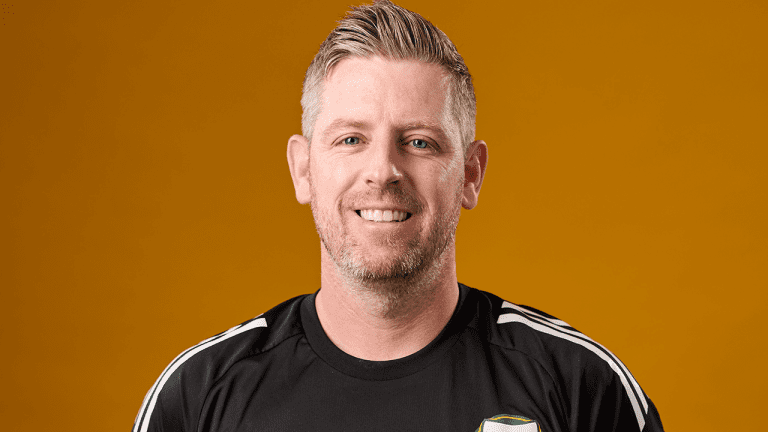
Darren Back joined the Timbers Academy in 2019 as the club's U-17 head coach. Before his time in Portland, the England native spent three years each in the Philadelphia Union and Houston Dynamo Academies as an Academy Head Coach.
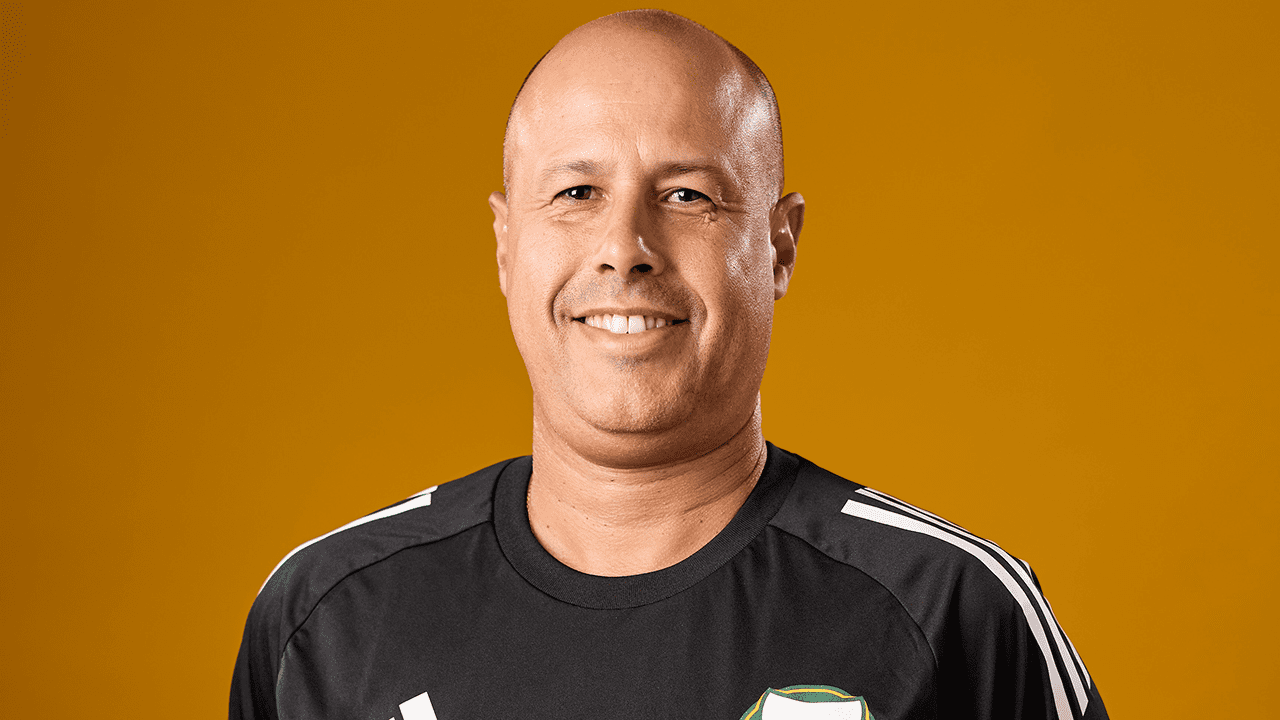
Fernando Pessoa arrived in Portland in 2017, where he currently serves as the head coach of the U-16 group. The Brazilian's first role in Portland was U-13 head coach, before taking the role of U-15 head coach in 2019. Pessoa led the Timbers U-15s to three MLS Next postseason appearances in 2021, 2022, and 2023. In 2022, Pessoa and the U-15s won the prestigious Generation Adidas Cup.
Enjoy my discussion with Darren and Fernando.
Stumptown Footy: Jack Dodd spoke yesterday about organisational alignment and shared principles. From your vantage point in the academy, what does that look like?
Darren Back: "It's all about trying to replicate what the first team wants. So from top to bottom, if you were to go watch a game on a Saturday, it should look the same, but the job of the academy, particularly as you go younger, is trying to break that down and make sure you align principles with the stage of development the players are in. But for me, as an 18's coach, I'm a little closer to the first team, so I can demand a little bit more from the players, if that makes sense."
Fernando Pessoa: "So if I, if I take in consideration, first of all is, is how everyone is open to understand the differences between the age groups. So when you get to the field, obviously we wanted to to make it everything look the same. So when you look at the first team and look the younger side, you want to see, okay, the Portland team members have something that they're trying to accomplish, the way they play, how to develop the players, and also how to utilize the players, because it's also going to help the players should be utilized and developed throughout the system if they receive the same kind of of information across in another hand, which is a very positive way, is like when you start to consider different stages of development, everyone is understanding that we will not look the same in every aspect, because one thing is how the professional player stage is, and how it is for us in the younger side. So you're also trying to create players that can adapt from one stage to another respect in that stages to be developed throughout the course.
STF: Each player develops differently. How do you, as a coach, work to ensure their individual development whilst maintaining the principles you look to instill in each Timbers player?
Back: "My role or my goal is to maximize their potential, and whatever that may be. So, like you said, some players are on a pro pathway immediately. For example, Danny Nunez signed a contract last year, one of the youngest players ever to sign a professional contract. And some players are on a different pathway, where we believe they have potential, but they need to go to college, and they go that route, but either way, I'm trying to get the best out of them and maximize their qualities, and I'm one step on their ladder, trying to guide them in that process, and added to that, I'm trying to find or help them realize what their strengths are,"
"So a big part of our process is not just improving players, it's maximizing and enhancing their qualities to make them the best version of themselves, not just as a player, but as a person. I think that's the rewarding part of being a coach, particularly at this age, is you get to shape them and go from young boys to young men, and that can be quite challenging at times, but it's very, very rewarding. But ultimately, like I said, we're trying to maximize the potential that they have."
STF: That's one of those things that Jack talked about. He used Sawyer Jura as an example, someone who's been at the club for quite a long time and he'll be joining the first team in January on a full-time basis. And one of the things he spoke about is how rewarding it must be for you, for the coaches who've worked with him coming up to see him have those levels of success.
Back: "Without a doubt, and I think sometimes it's both the player and as a coach, you have to be patient, and like I said, if you focus on what they can do, not necessarily what they can't do, and enhance those things. Ultimately, they will reach their goals and where they're where they're expected to be, but it's just being patient in the process, because there are so many challenges along the way. You know, young players have so many dips in form. They struggle for different reasons. But the story is a great example of persevering, being resilient and dedicated, one of the most dedicated players that's probably come through the academy where you know you,"
"I remember a time when he [Jura] was struggling at the U-17 teams, but then within the space of probably a year, he went from struggling to getting on the field to being a national youth team player. Wow. So it shows you just the patience that is required from coaches, but also the players themselves, to keep working hard and being resilient, and then you get rewarded for that."
Pessoa: "Yeah, so first of all, we have to have patience with the process now, because we can have a 15-year-old that's an early developer, and you can have a 16-year-old that's a late developer, and even they have these age difference they will need a separate approach, a different approach, not a separate but a different approach to how they will develop, and how quick each one is going to develop in different ways. So the patience is first, and we also have to consider one very tricky point which the performance and the potential of the player. Because usually the performance guys are the ones that everybody's looking at, but you have to try to find a ways. 'Okay, maybe he's not performing really well now, but he's a good prospect.' It's a potential player that two or three years from now is going to be in a different layer that he is at the moment. So then we have to find a way to create tools that we recognize these players and how to approach these players,"
"And coming back to your first question, like the alignment across the club helps us to discuss this all the time, to go over players that may be a top prospect, or players that are important, players that in three years, they're going to be doing well. So the amount of conversations we have about every player, it's very important to to facilitate that."
STF: What patterns do you see in players who successfully make the jump from the academy to T2 to the first team?
Back: "There are a lot of different qualities that these players have. I think the biggest one that stands out is the intrinsic motivation and the resilience. Obviously, you have to have a level of quality to make that step. But we just spoke about Sawyer, where he was extremely hardworking on the field, but off the field as well. He did everything he possibly could do to put himself in the best possible position to be successful, and he's been rewarded for that. You come across a lot of talented players that won't necessarily be as motivated as that, and it's a little disappointing, because you can see the potential they have, but they're just not maximizing what they have. So I think like I said, the first things that stand out immediately is, is the the player is intrinsically motivated to achieve their goals, and do they have a resiliency about them? So if they're faced with some adversity and something doesn't go their way, are they willing to keep working hard, keep improving, enhancing their strengths? Because it's really easy to give up when you hit a bit of a roadblock. So that's, I think those two qualities stand out the most."
Pessoa: "I believe that first of all, the players in this level they have to have some certain talent that it filters, obviously, across. But when you talk about mindset, when you talk about, like, being resilient, about the process, because it's going to be so many ups and downs, like, all the time, we have players that spend like, six months not being able to perform and but then over the summer, they flip. And why do they flip? Because they're working really hard. They're working really specific. They live like an athlete. And then it starts to differentiate who is a player, who is an athlete, and I think only the athletes in general, generally speaking, are going to be the one with more chances of making through to go being like really, really good mindset, understanding that they're going to suffer a little bit at some point. Not everyone. One is a superstar at 17 year old. So, and I think that's a big deal. Like that mindset, that they're understanding the level they're in, the work they must put in. So I think this, this is a big differentiator in the players in general.
STF: How does communication and collaboration flow between the various levels of the organization? How do you work across the organization to optimize player development?
Back: "So we collaborate a lot, and Phil [Neville] and Jack [Dodd] have done a tremendous job of that. They've very open to engaging the academy in the process, and obviously Phil is a big believer in young players, so we'll meet regularly as a staff, myself, the T2 head coach, Phil, or one of the first team coaches and Jack, to go over the younger players who's doing well, the top prospects that we we think are going to do well, and then we map out a plan for them, and then it's, we're constantly reviewing that, because it can change. But it's not just about, you know, these formal meetings we talk every day about players. The first team will come to watch the games. Jack recently came on, I think, to the playoffs in the summer. So the club's fully invested in the younger players, and the communications are really good."
Pessoa: "I think that's the easiest question you've asked so far, because we are fortunate. We are fortunate to have a very open door of conversation across all levels [of the club]. And from Phil, Jack, you know, so the people, they are there with the players every day. So us, the academy head coaches, we are always talking to each other, so we have, like, it's, that's a very easy day to day process that we don't have to have a schedule to talk about it. We talk about it every day, if necessary. You know, like, that's that facilitates our job like a lot.


